
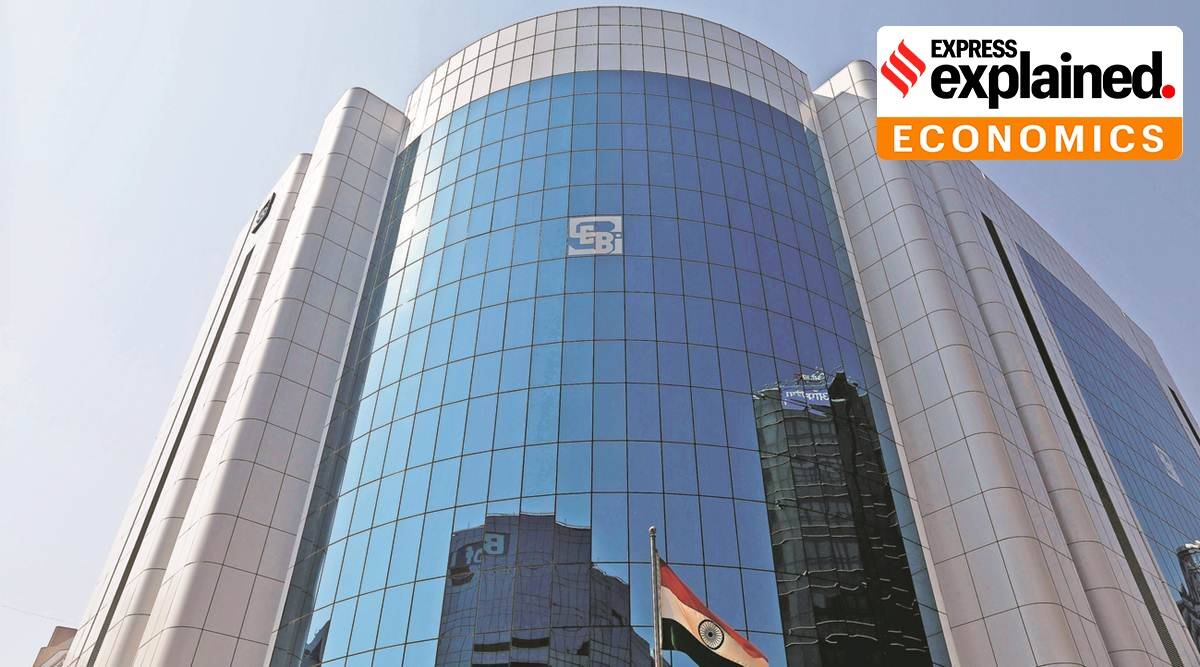
T+1 settlement system
- Recently, Securities and Exchange Board of India (SEBI) allowed stock exchanges to start the T+1 system as an option in place of T+2 for completion of share transactions.
- It has been introduced on an optional basis in a move to enhance liquidity.
- SEBI is a statutory body established in 1992 in accordance with the provisions of the Securities and Exchange Board of India Act, 1992.
Settlement System
- In the securities industry, the trade settlement period refers to the time between the trade date that an order is executed in the market and the settlement date when a trade is considered final.
- On the last day of the settlement period, the buyer becomes the holder of record of the security.
T+1 vs T+2 Settlement:
- In T+2, if an investor sells shares, the settlement of the trade takes place in two working days (T+2) and the broker who handles the trade will get the money on the third day, but will credit the amount in the investor’s account only by the fourth day.
- In effect, the investor will get the money only after three days.
- In T+1, settlement of the trade takes place in one working day and the investor will get the money on the following day.
- The move to T+1 will not require large operational or technical changes by market participants, nor will it cause fragmentation and risk to the core clearance and settlement ecosystem.
Benefits of T+1 Settlement:
- Reduced Settlement Time: A shortened cycle not only reduces settlement time but also reduces and frees up the capital required to collateralise that risk.
- Reduction in Unsettled Trade: It also reduces the number of outstanding unsettled trades at any instant, and thus decreases the unsettled exposure to Clearing Corporation by 50%.
- The narrower the settlement cycle, the narrower the time window for a counterparty insolvency/bankruptcy to impact the settlement of a trade.
- Reduction in Blocked Capital: Further, the capital blocked in the system to cover the risk of trades will get proportionately reduced with the number of outstanding unsettled trades at any point of time.
- Reduction in Systemic Risks: A shortened settlement cycle will help in reducing systemic risk.